
Tamping Rammer vs Plate Compactor: Which Compactor Is Best for Your Project?
When it comes to soil compaction, choosing the right equipment is just as important as selecting the right construction material. Using the wrong compactor can lead to poor soil density, uneven settlement, costly rework, and even structural failure in the future.
Among the many types of compaction equipment available today, tamping rammers and plate compactors are two of the most commonly used machines. Although they are often compared, they are designed for different applications and perform best under different soil conditions.
A common mistake made by first-time buyers is assuming that these two machines can replace each other. In reality, they use completely different compaction methods and are intended for different construction environments.
So, which one is the better choice?
The answer depends on several factors, including:
- The type of soil you are compacting
- The size of the working area
- The required compaction depth
- The project budget
- The desired construction efficiency
In this guide, Shuanglong Machinery explains the key differences between tamping rammers and plate compactors from an engineering perspective. Rather than simply comparing specifications, we will help you understand why each machine performs differently and when each one should be used.
Whether you are a contractor, equipment distributor, rental company, or project engineer, this guide will help you make a more informed equipment selection.
Contents
Quick Answer
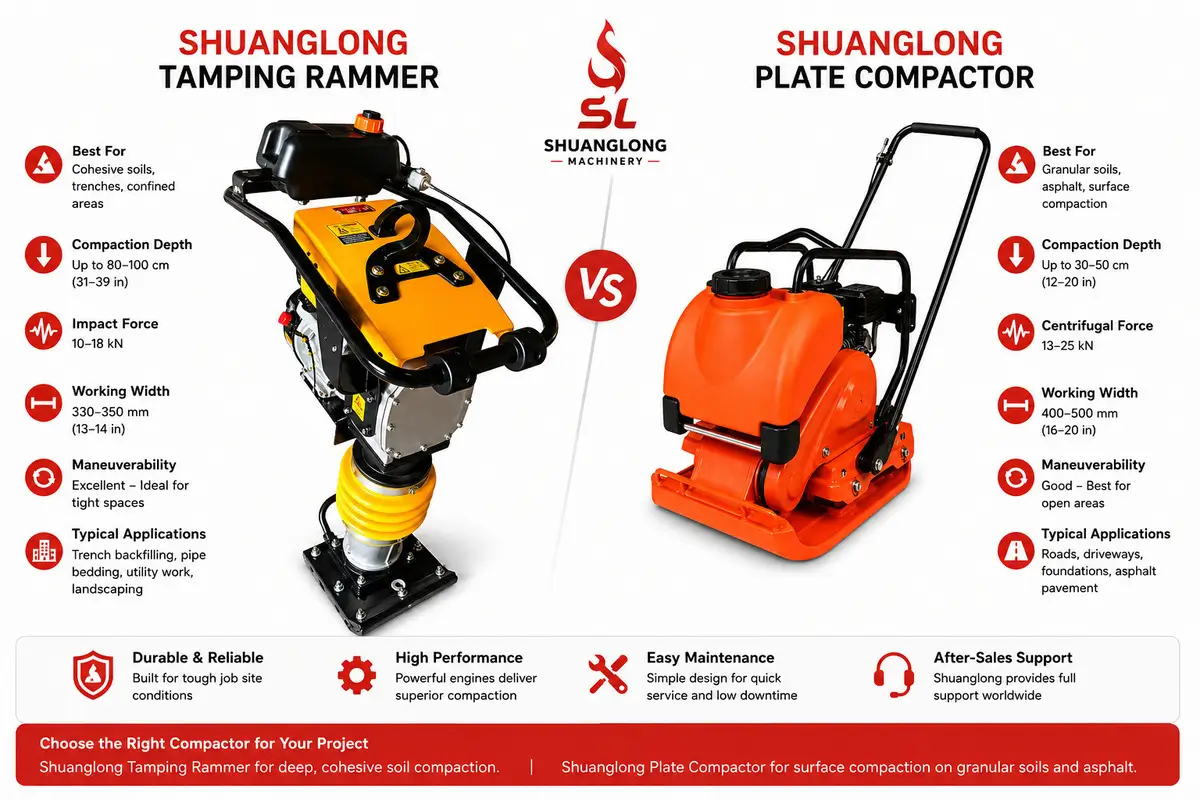
If you need a quick recommendation, the following guide can help.
Choose a Tamping Rammer if you are compacting:
- Clay
- Silt
- Cohesive soil
- Utility trenches
- Pipeline backfill
- Foundation edges
- Narrow working areas
A tamping rammer delivers repeated vertical impact, making it highly effective where deep compaction and confined access are required.
Choose a Plate Compactor if you are compacting:
- Sand
- Gravel
- Crushed stone
- Asphalt
- Pavers
- Driveways
- Sidewalks
- Large open areas
A plate compactor uses high-frequency vibration to compact loose granular materials quickly and efficiently over wide surfaces.
In short:
Clay = Tamping Rammer
Sand & Gravel = Plate Compactor
However, soil type is only one part of the decision. The best choice also depends on project size, working conditions, and the level of productivity you expect. The following sections explain these differences in detail.
Tamping Rammer vs. Plate Compactor: Feature Comparison
|
Comparison Factor
|
||
|---|---|---|
| ⚙️ Working Principle | High-impact vertical blows | Vibrating steel plate |
| 🌱 Best Soil Type | Clay, silt | Sand, gravel |
| 📏 Compaction Depth | 300–600 mm | 150–300 mm |
| 🚜 Productivity | Moderate | High |
| 📐 Working Width | 200–350 mm | 300–700 mm |
| 🏗️ Typical Applications | Trenches, foundations | Roads, driveways |
| 🔧 Maintenance | More components | Simpler structure |
| 💰 Purchase Cost | Lower | Lower |
| ⛽ Operating Cost | Lower | Lower |
| ✅ Recommended Projects | Utility trenches | Large open areas |
How to Choose Between a Tamping Rammer and a Plate Compactor
| Decision Factor | Better Choice | Why |
|---|---|---|
| 📏 Need Deep Compaction? | ✅ Tamping Rammer | Delivers concentrated impact force that reaches deeper soil layers than a plate compactor. |
| 🌱 Working with Clay Soil? | ✅ Tamping Rammer | High-impact ramming action effectively compacts cohesive soils such as clay and silt. |
| 🪨 Working with Sand & Gravel? | ✅ Plate Compactor | High-frequency vibration efficiently compacts granular materials for a stable surface. |
| 🏗️ Compacting Large Open Areas? | ✅ Plate Compactor | Wider base plate covers more ground in less time, improving productivity. |
| 🚧 Working in Narrow Trenches? | ✅ Tamping Rammer | Slim shoe design easily fits confined spaces where larger machines cannot operate. |
| 🛣️ Compacting Asphalt? | ✅ Plate Compactor | Produces a smoother, more uniform finish without damaging the asphalt surface. |
| 🔧 Looking for Easier Maintenance? | ✅ Plate Compactor | Simpler mechanical structure means fewer wear parts and lower maintenance requirements. |
| 💰 Concerned About Initial Purchase Cost? | ✅ Plate Compactor | Standard forward plate compactors are generally more affordable than tamping rammers. |
| ⛽ Want Lower Operating Costs? | ✅ Plate Compactor | Lower fuel consumption and fewer replacement parts reduce long-term operating expenses. |
| 🎯 Unsure Which Machine to Buy? | 🤝 It Depends on Your Project | Choose a tamping rammer for deep trench or cohesive soil compaction, and a plate compactor for large, flat areas with granular materials. |
A Detailed Comparison
At first glance, tamping rammers and plate compactors may appear to perform the same job. Both are designed to compact soil and create a stable base for construction. However, their engineering principles, ideal applications, and performance characteristics are significantly different.
Understanding these differences before purchasing equipment can help contractors improve construction quality, reduce operating costs, and avoid unnecessary rework.
The following comparison highlights the key factors that should be considered when selecting the right compaction equipment.
| Comparison Factor | Tamping Rammer | Plate Compactor |
|---|---|---|
| ⚙ Working Principle | Vertical impact blows | High-frequency vibration |
| 🌱 Best Soil Type | Clay, silt, cohesive soil | Sand, gravel, crushed stone |
| 📏 Compaction Depth | Deep | Medium |
| 📍 Working Area | Narrow and confined | Large and open |
| 📈 Productivity | Moderate | High |
| ✨ Surface Finish | Rough | Smooth |
| 🛣 Asphalt Compaction | Not recommended | Excellent |
| 🚧 Utility Trenches | Excellent | Limited |
| 🏗 Foundation Edges | Excellent | Good |
| 🧱 Paver Installation | Not recommended | Excellent |
| 👷 Operator Fatigue | Higher | Lower |
| 🔧 Maintenance Focus | Bellows & spring system | Exciter & belt system |
| ⚖ Typical Weight | 60–90 kg | 60–500+ kg |
| 👥 Typical Users | Utility contractors | Road & landscaping contractors |
Although this comparison provides a quick overview, the correct choice depends on the specific conditions of your project rather than any single specification.
For example, a contractor working in a narrow utility trench will likely achieve better results with a tamping rammer, even if a larger plate compactor has a more powerful engine. Likewise, compacting a gravel driveway with a tamping rammer is possible, but it will be slower and less efficient than using a plate compactor.
Professional contractors evaluate equipment based on the overall project—not simply machine size or price.
When Should You Choose a Tamping Rammer?
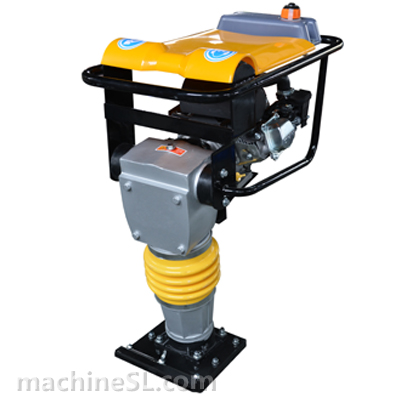
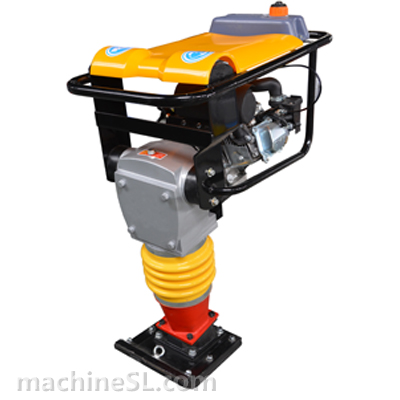
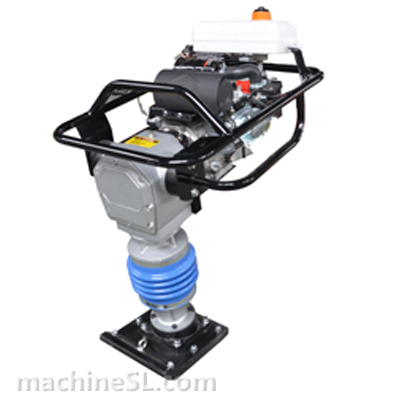
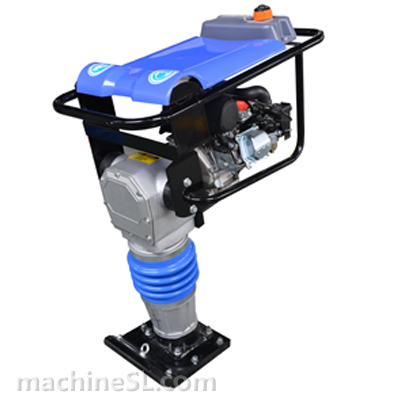
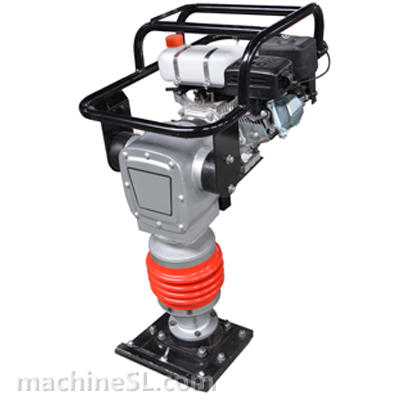
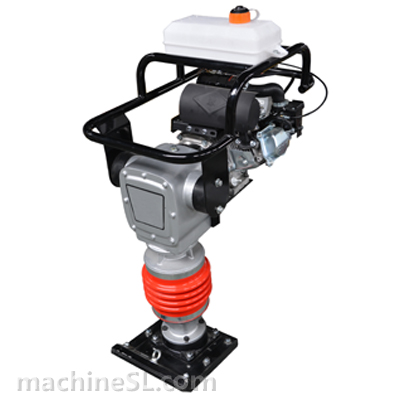
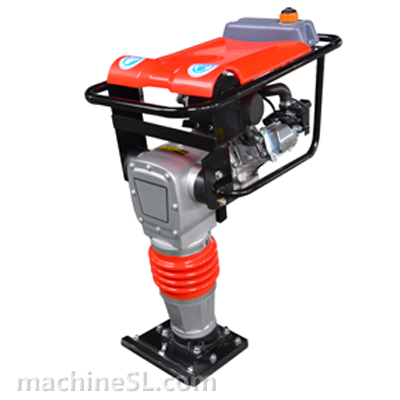
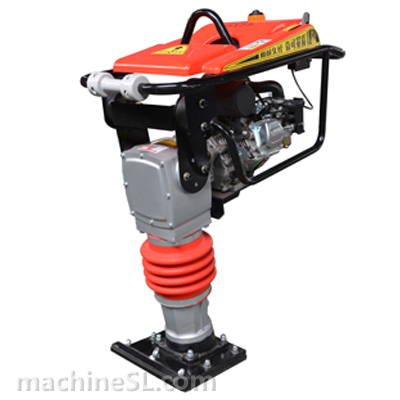
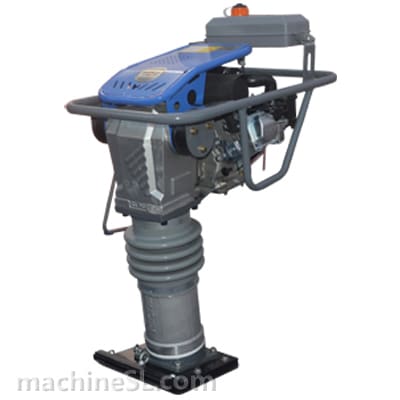
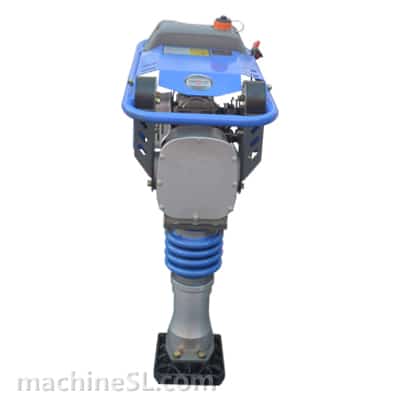
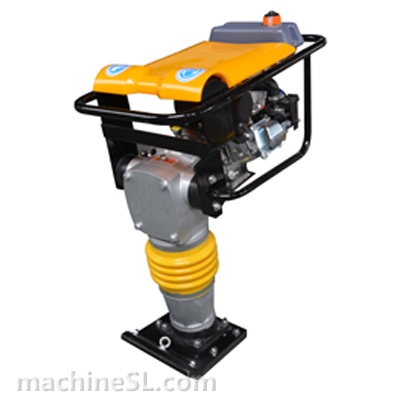
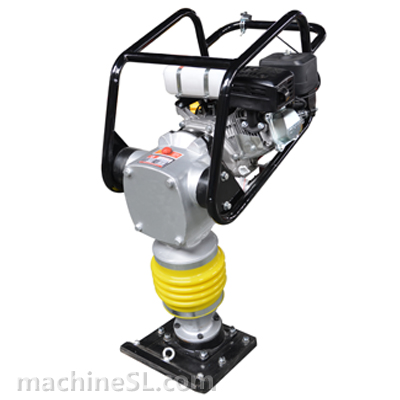
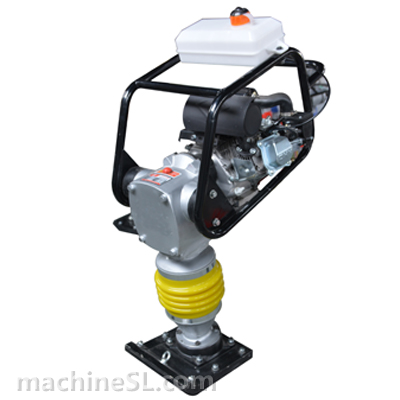
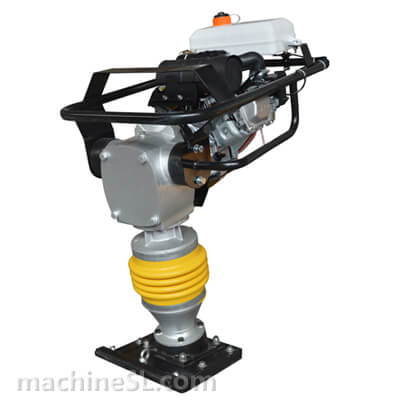
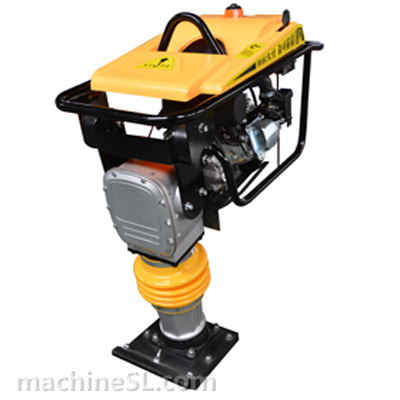
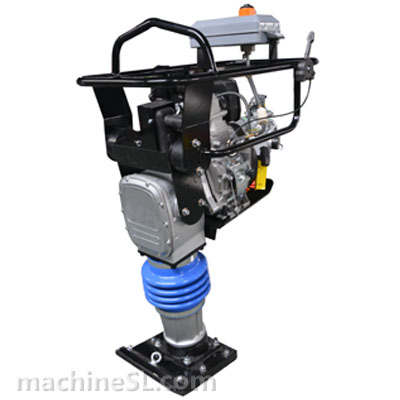
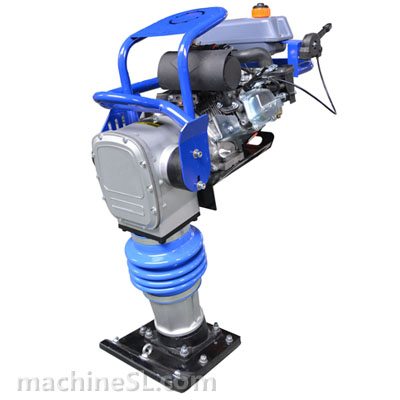
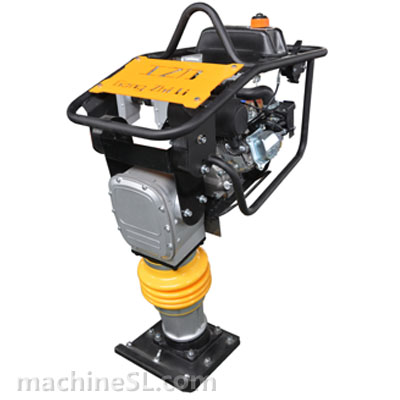
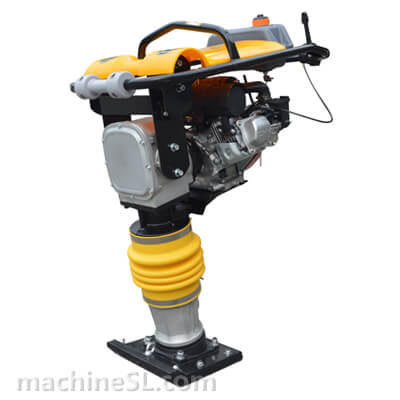
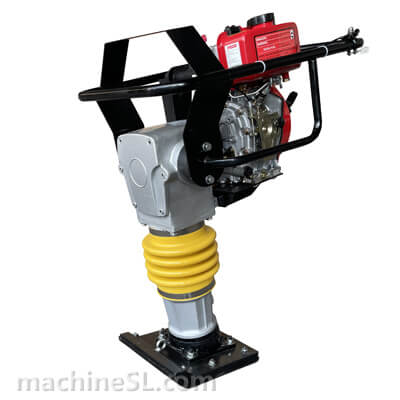
A tamping rammer is specifically designed for projects that require concentrated impact force and deep compaction.
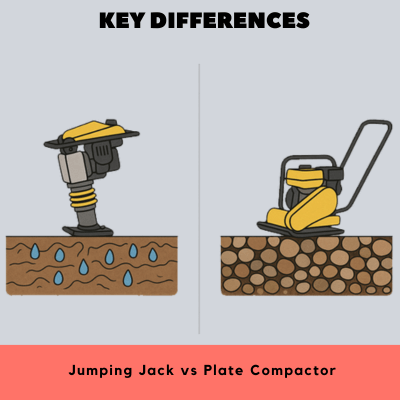
Unlike plate compactors, which spread vibration across a wide steel plate, a tamping rammer transfers repeated vertical impacts through a narrow rammer shoe. This allows the machine to penetrate deeper into cohesive soils and operate efficiently in confined spaces.
Typical applications include:
Utility Trench Backfill
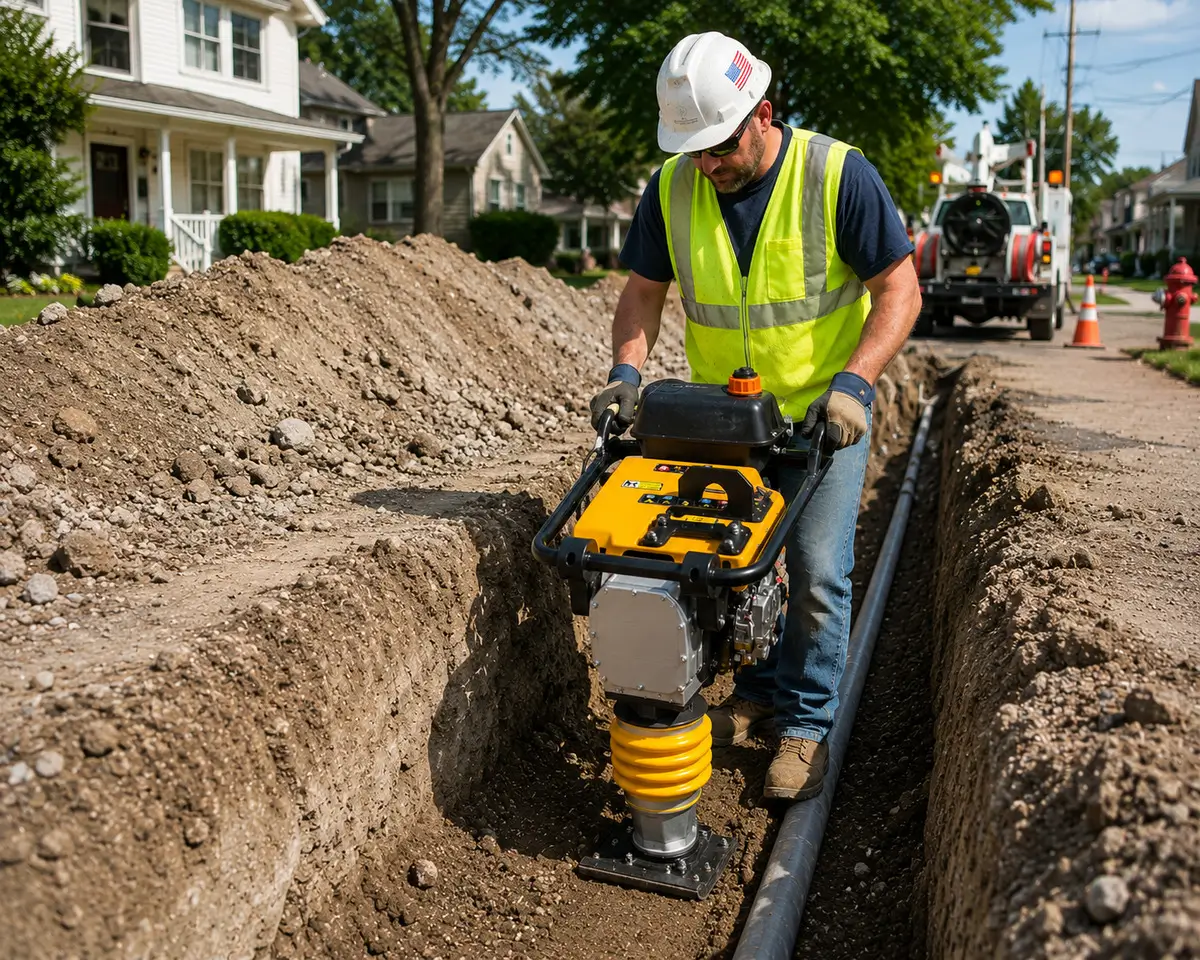
Water pipelines, gas pipelines, electrical conduits, and fiber optic installations often require compaction inside narrow trenches where larger equipment cannot operate effectively.
The slim design of a tamping rammer makes it ideal for these situations.
Foundation Construction
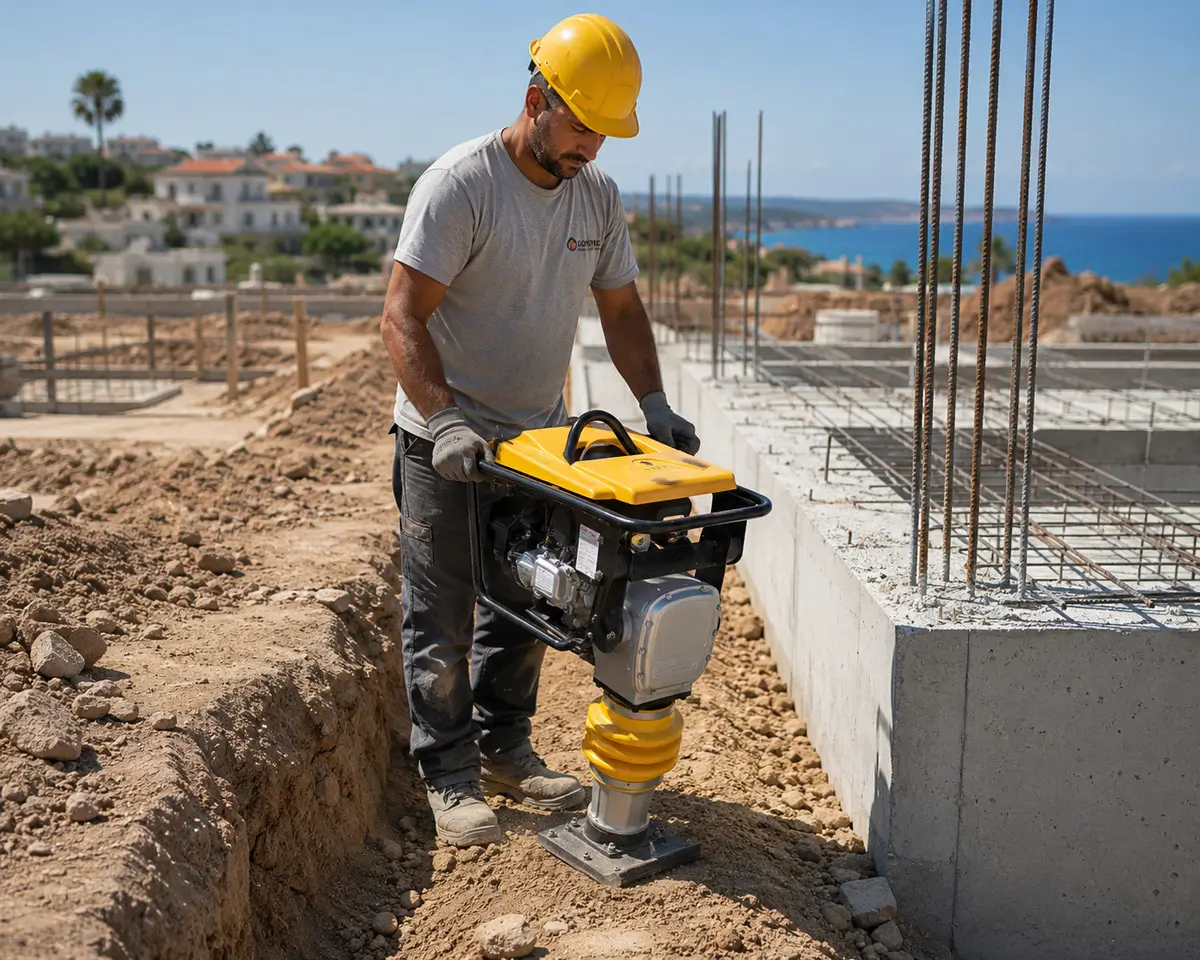
Compacting around foundation edges, footings, and retaining walls requires precision rather than speed.
A tamping rammer delivers excellent results in these restricted working areas.
Clay and Cohesive Soil
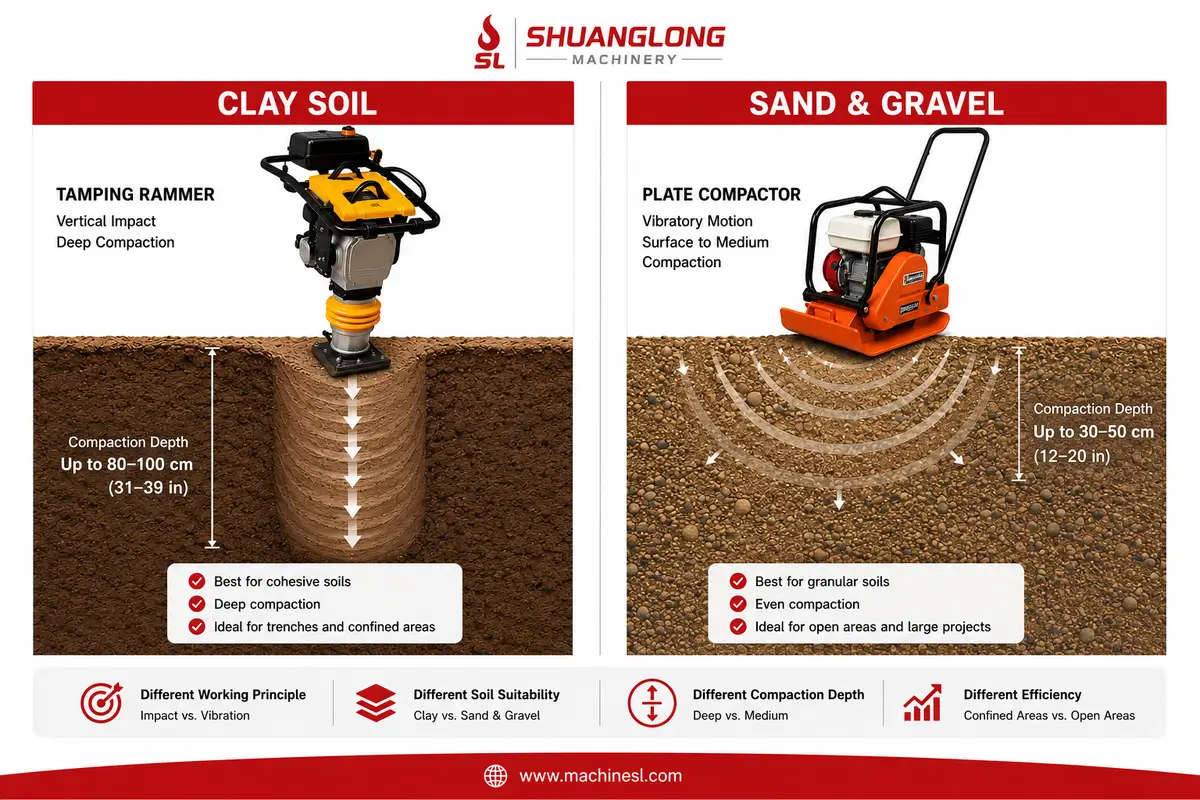
Clay naturally absorbs vibration, making it difficult for plate compactors to achieve sufficient density.
Because a tamping rammer uses repeated impact rather than vibration, it is generally the preferred solution for compacting cohesive soils.
Municipal Maintenance
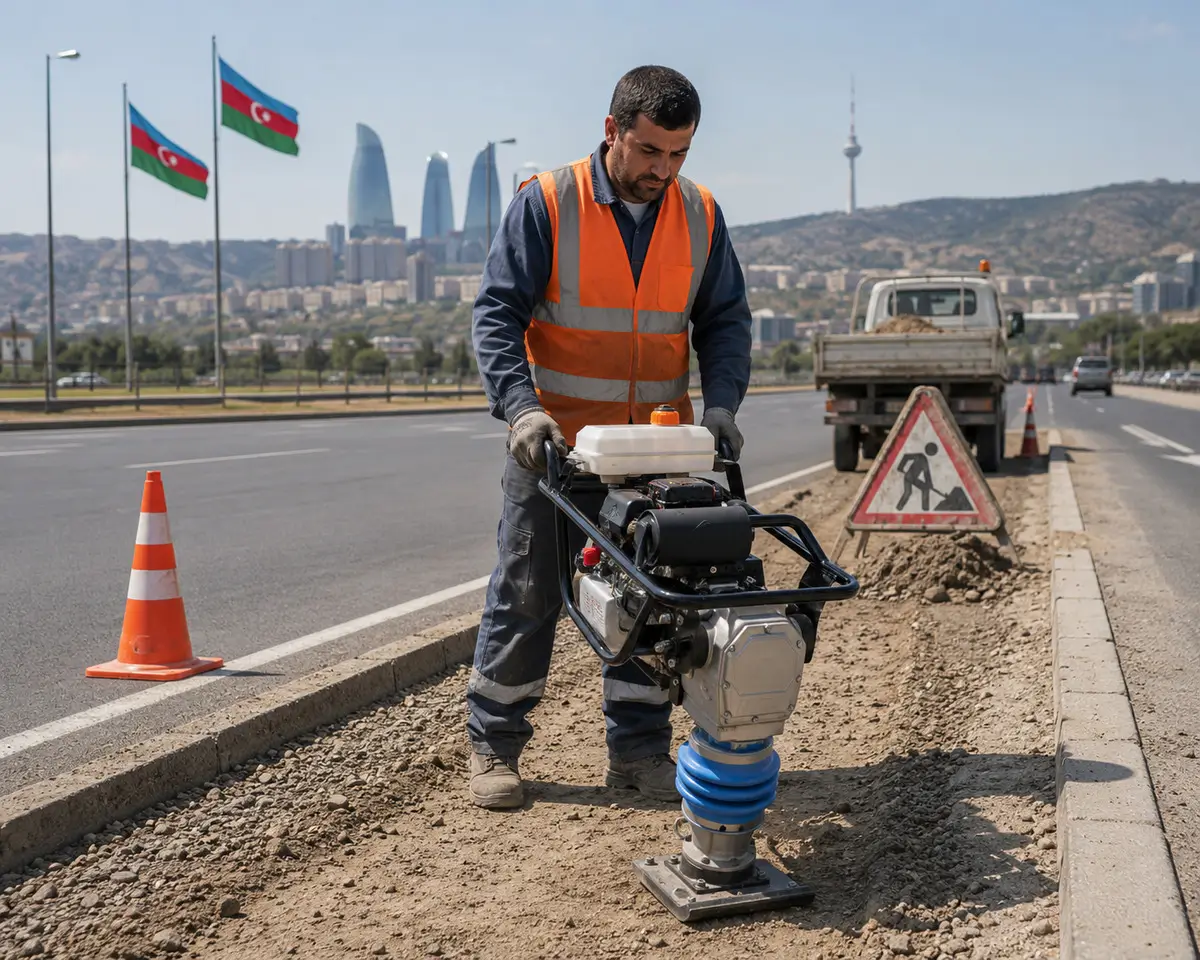
Repairing sidewalks, utility cuts, drainage systems, and road shoulders often involves irregular spaces where maneuverability is essential.
A tamping rammer provides excellent control while maintaining high compaction quality.
Shuanglong Engineer’s Recommendation
If your project involves clay, trench backfill, foundation work, or confined construction areas, a tamping rammer is usually the most efficient choice.
Instead of selecting equipment based on engine horsepower alone, contractors should first evaluate the soil type and available working space.
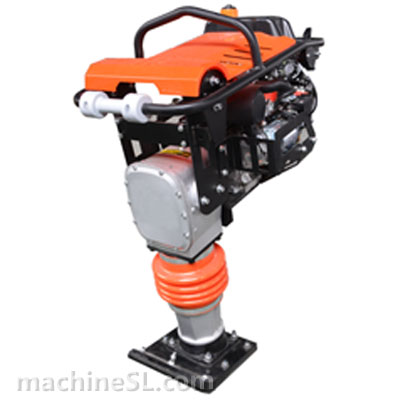
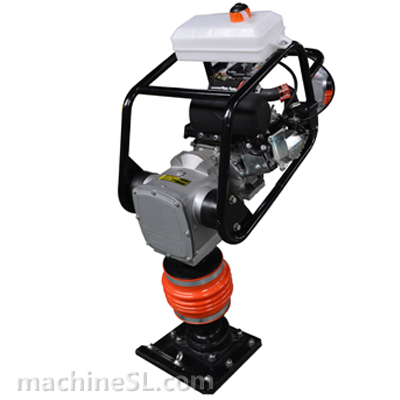
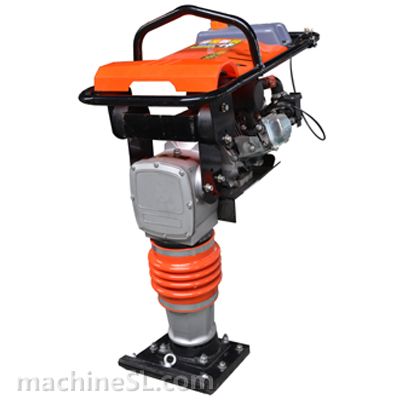
Looking for the right tamping rammer for your project?
Explore our complete range of Shuanglong Tamping Rammers or contact our engineering team for a free recommendation.
When Should You Choose a Plate Compactor?
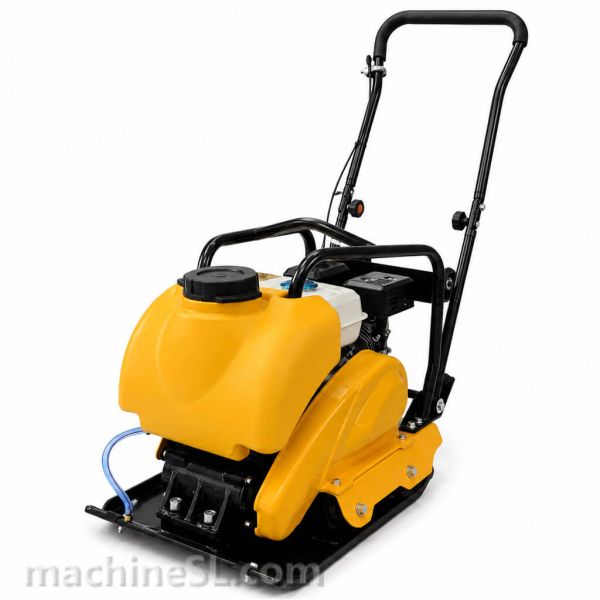
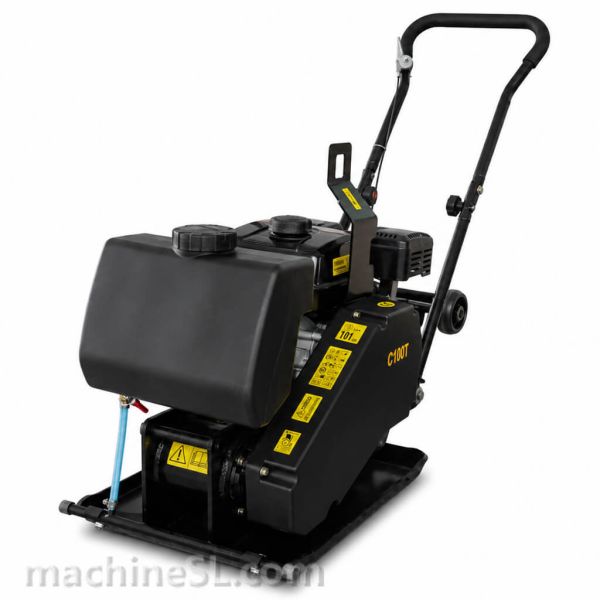
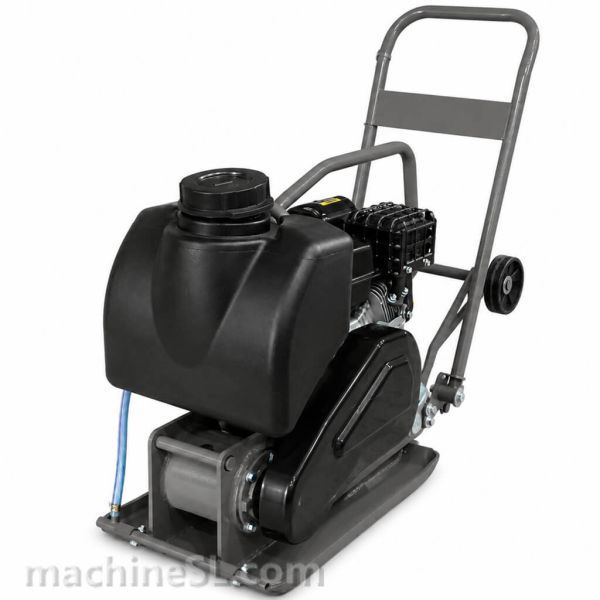
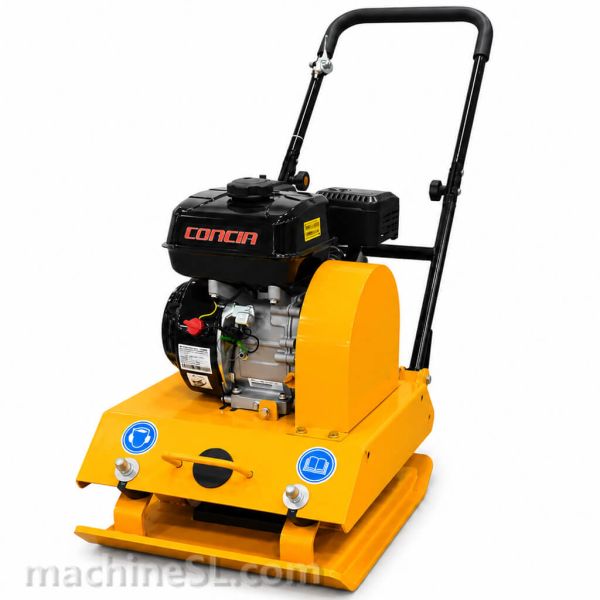
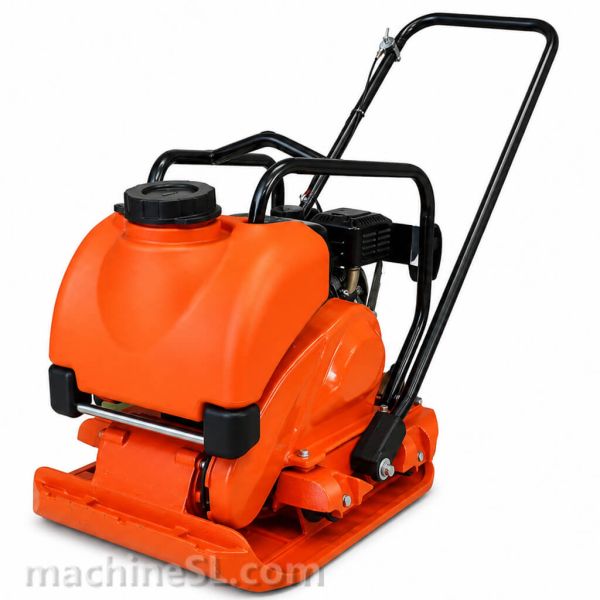
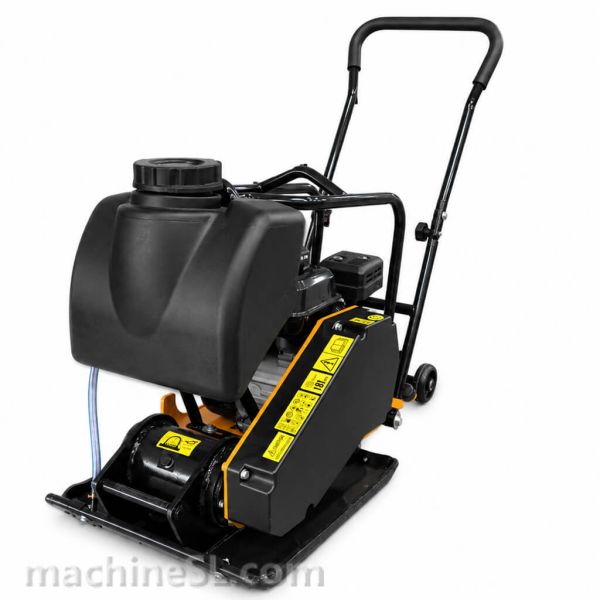
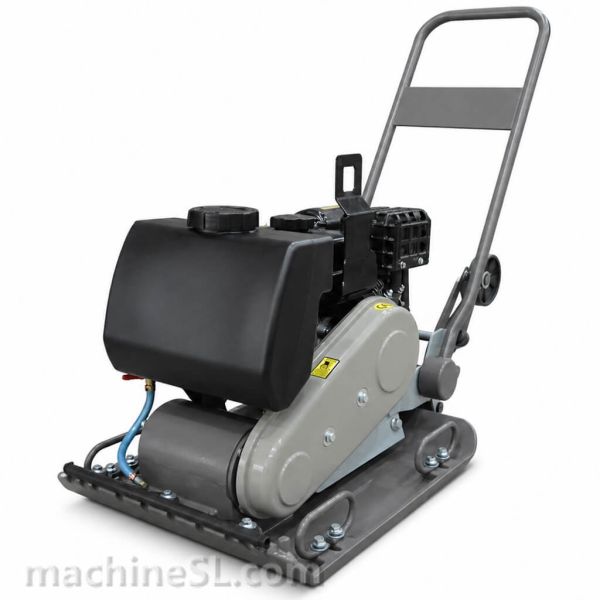
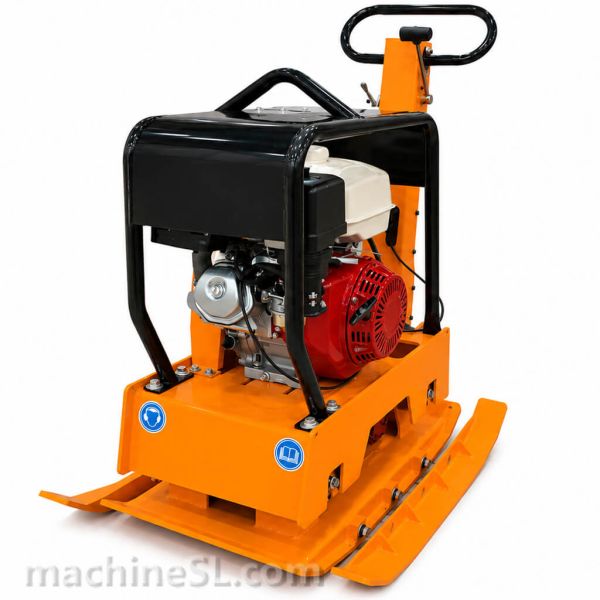
While a tamping rammer excels in cohesive soil and confined spaces, a plate compactor is designed to maximize productivity on large, open surfaces containing granular materials.
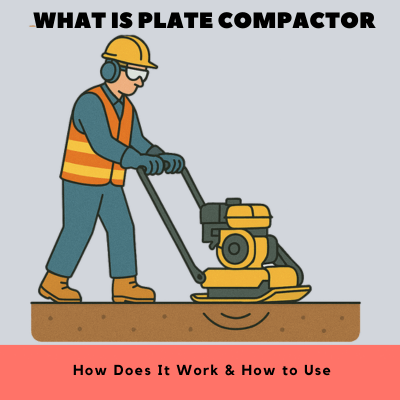
Instead of using repeated vertical impacts, a plate compactor generates continuous high-frequency vibration through an eccentric exciter system. This vibration allows loose particles such as sand and gravel to rearrange themselves into a denser structure with remarkable efficiency.
As a result, contractors can compact larger areas in less time while achieving a smooth and uniform surface.
For projects involving roads, driveways, pavers, landscaping, or asphalt repair, a plate compactor is usually the preferred solution.
Ideal Applications for Plate Compactors
Choosing the correct machine begins with understanding where it performs best.
Road Base Preparation
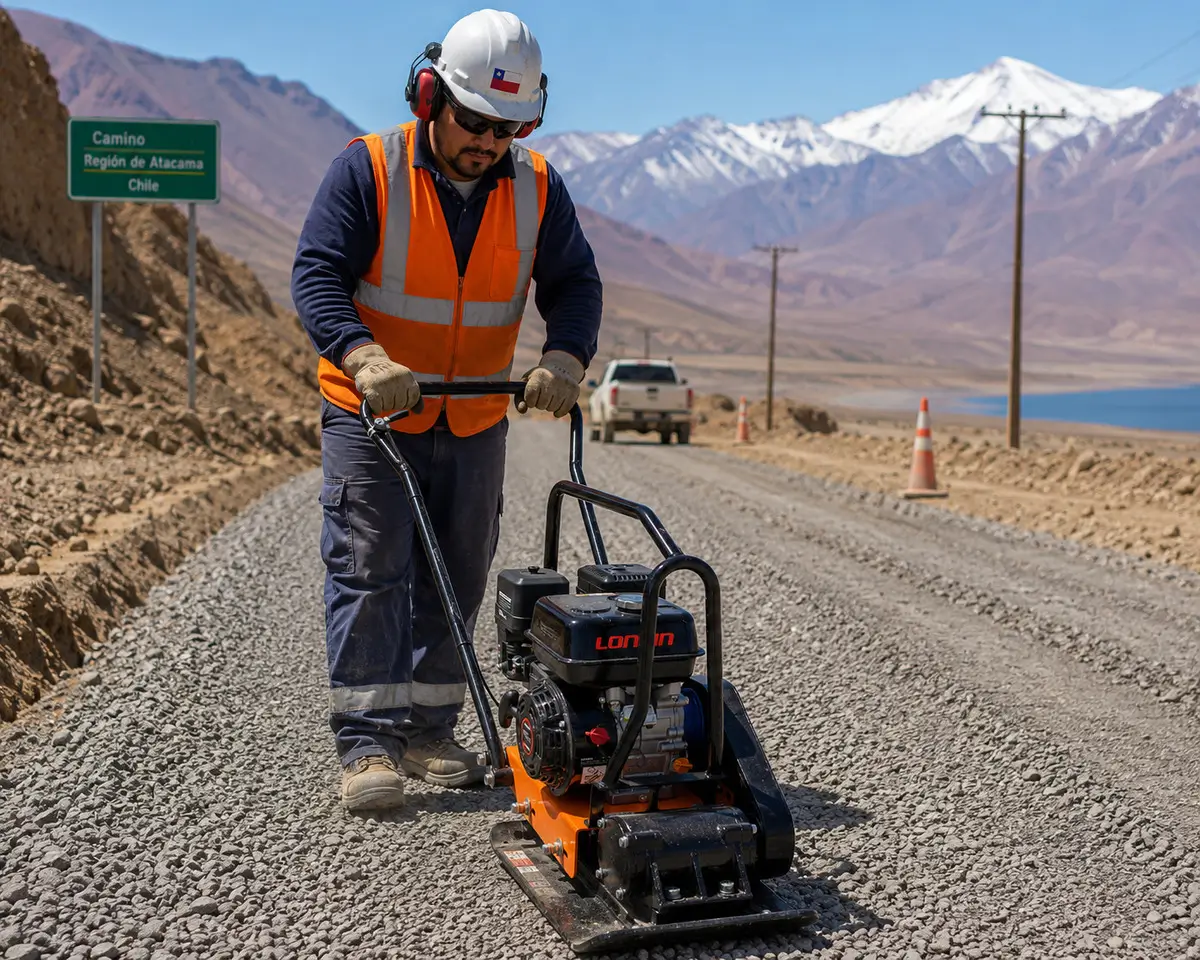
Before asphalt or concrete can be placed, the base layer must be compacted evenly to prevent future settlement.
Plate compactors are widely used to compact crushed stone and granular base materials because they provide fast coverage and a consistent surface.
Driveways and Sidewalks
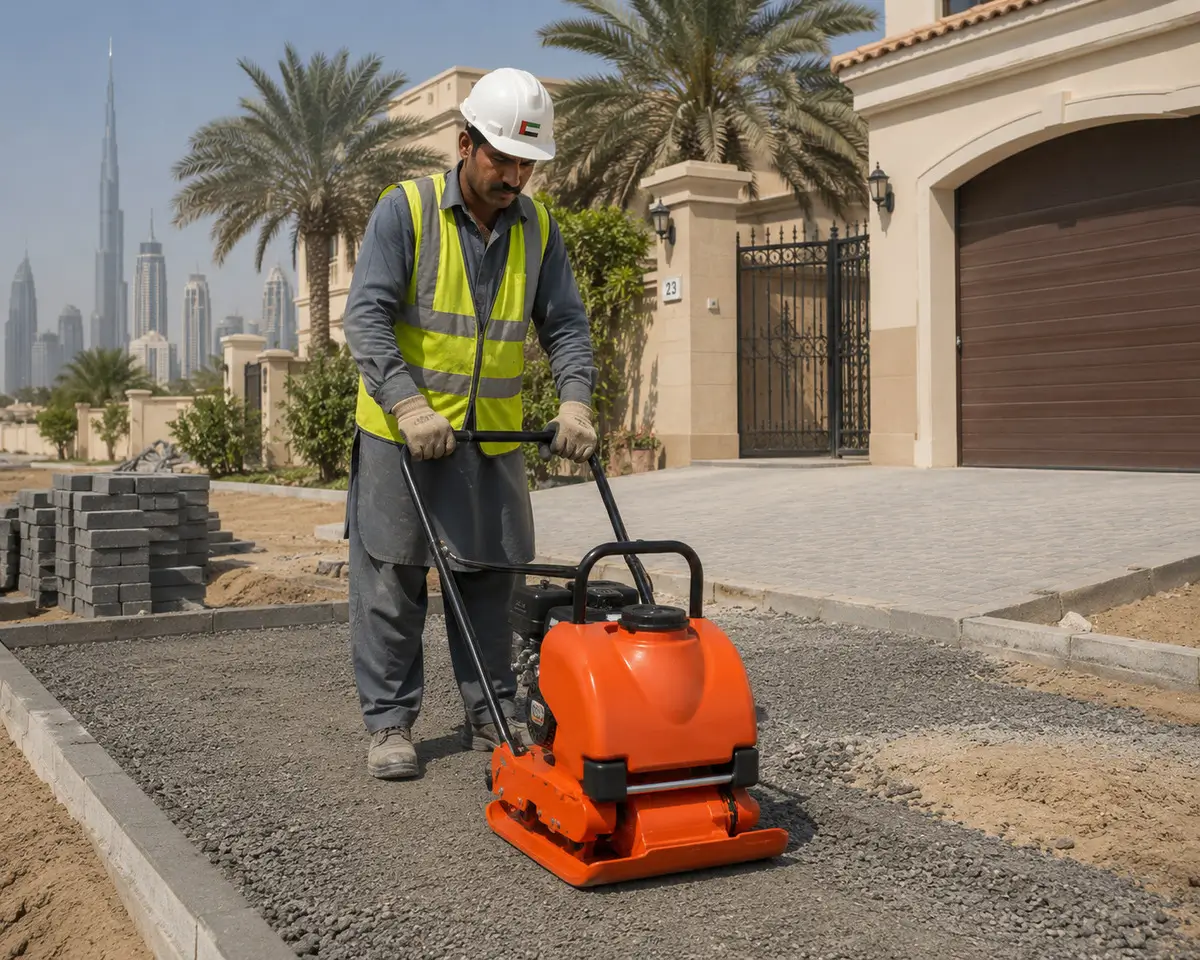
Residential and commercial paving projects often require a smooth and level base.
Whether preparing a gravel driveway or installing a concrete sidewalk, a plate compactor provides excellent productivity while maintaining uniform compaction.
Paver Installation
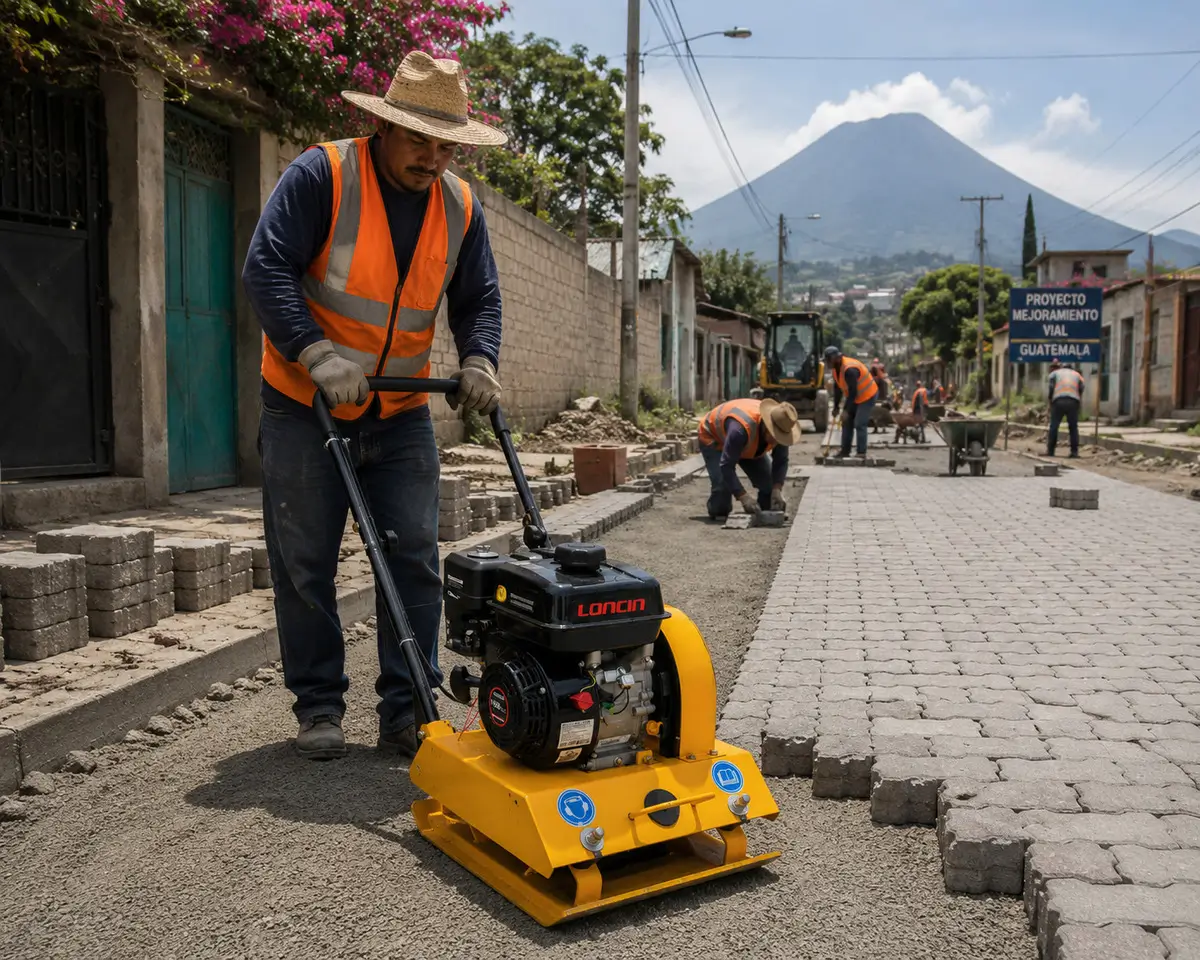
One of the most common uses of a plate compactor is compacting bedding sand and locking paving stones into place.
With an appropriate polyurethane mat, the machine can compact pavers without damaging the surface, producing a professional finish.
Asphalt Repair
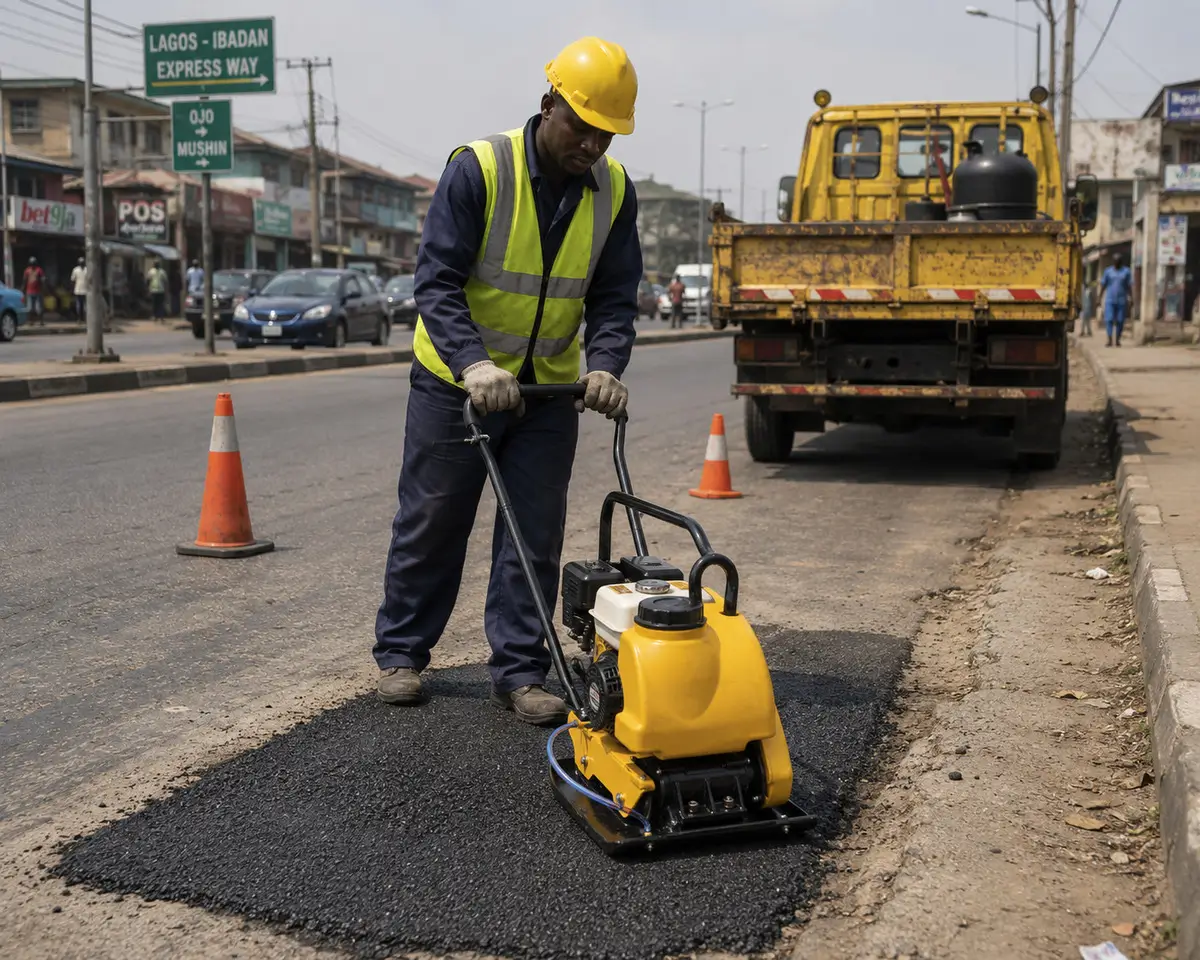
Unlike a tamping rammer, a plate compactor is highly effective for asphalt patching and road maintenance.
The vibration helps eliminate air voids while producing a smooth finished surface that blends well with the surrounding pavement.
Landscaping Projects
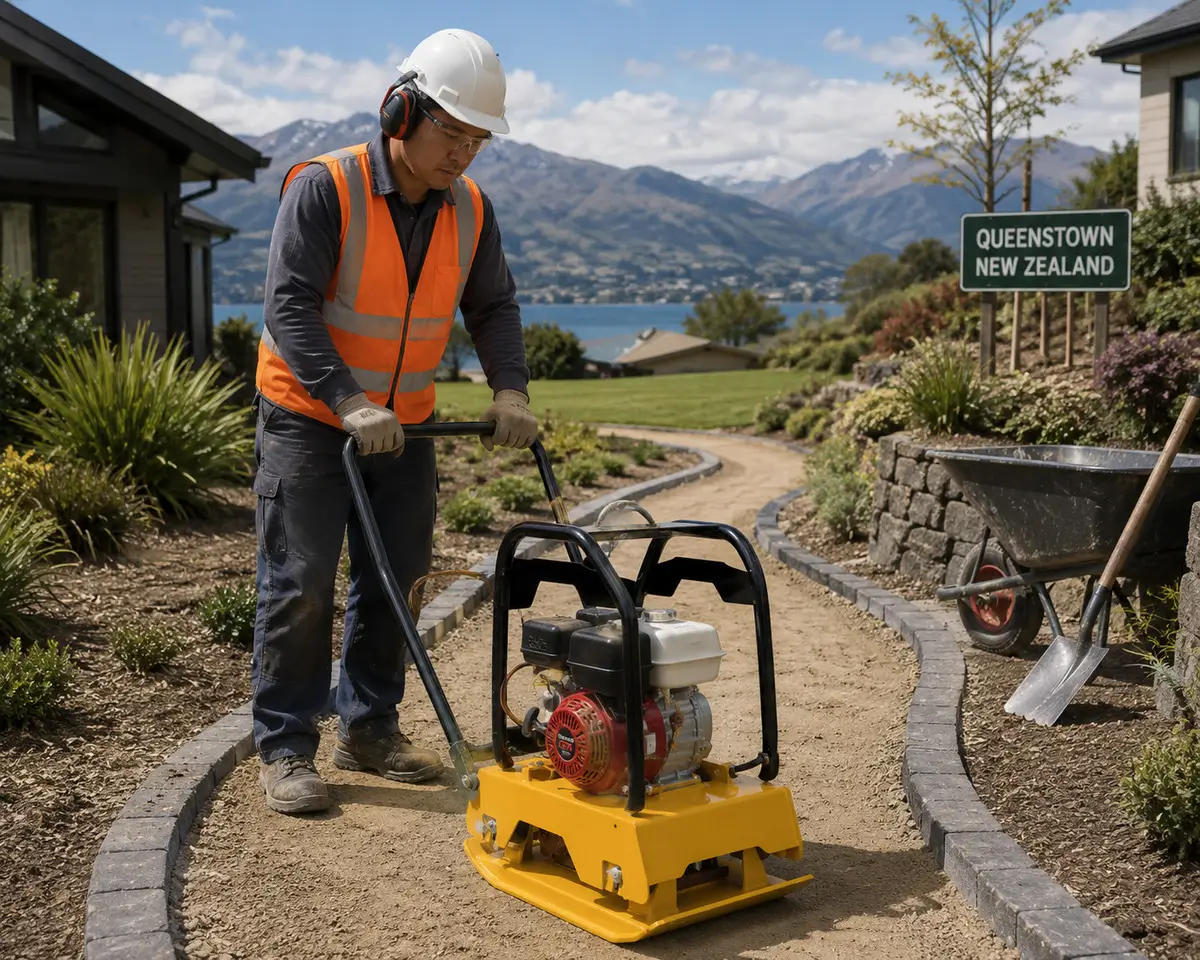
Plate compactors are commonly used for:
- Garden paths
- Patio construction
- Artificial turf bases
- Gravel walkways
- Courtyard paving
- Residential landscaping
Because these projects often involve large, open working areas, the higher productivity of a plate compactor becomes a significant advantage.
Why Plate Compactors Perform Better on Granular Soil
The answer lies in soil mechanics.
Granular materials such as sand, gravel, and crushed stone consist of individual particles that are free to move when subjected to vibration.
As the plate compactor vibrates, friction between the particles decreases temporarily.
The particles naturally settle into a tighter arrangement, increasing density while reducing air voids.
This process is both fast and efficient, which is why vibration-based compaction has become the industry standard for granular materials.
In contrast, cohesive soils such as clay resist particle movement because the particles bond together through moisture and cohesion.
Applying more vibration does not necessarily improve compaction—in many cases, it simply wastes time and fuel.
This is why professional contractors match the compaction method to the soil rather than relying on a single machine for every project.
Forward vs. Reversible Plate Compactors
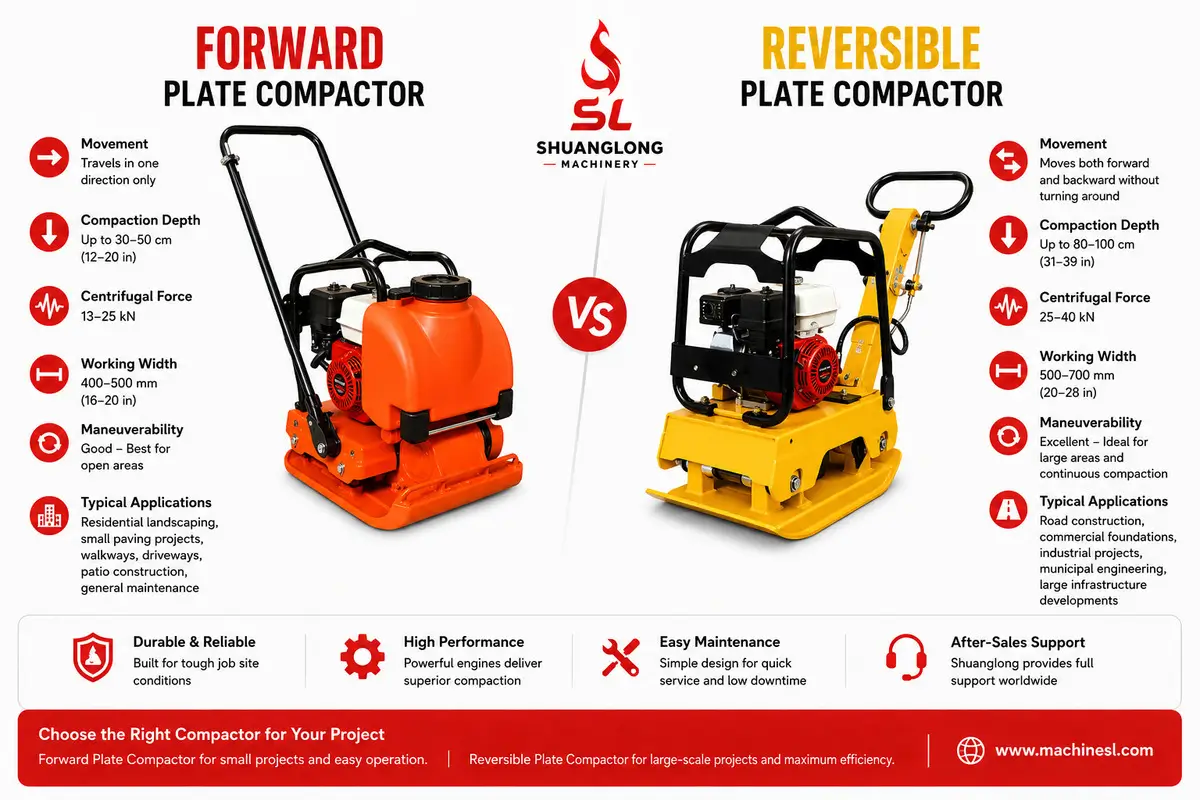
Not all plate compactors are designed for the same workload.
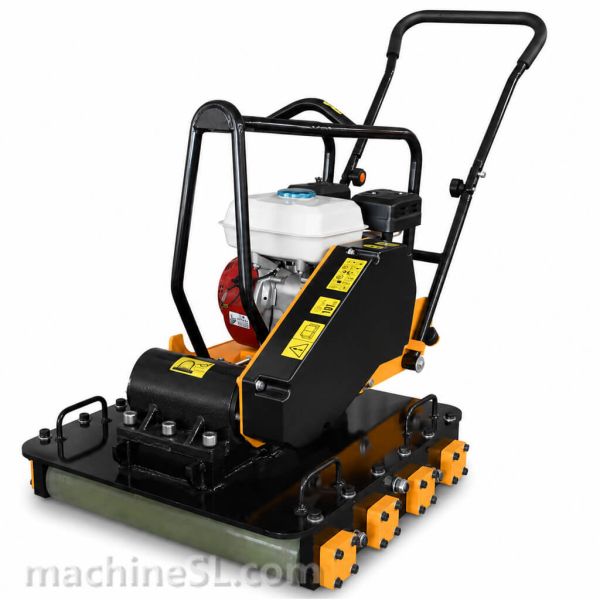
Forward Plate Compactor
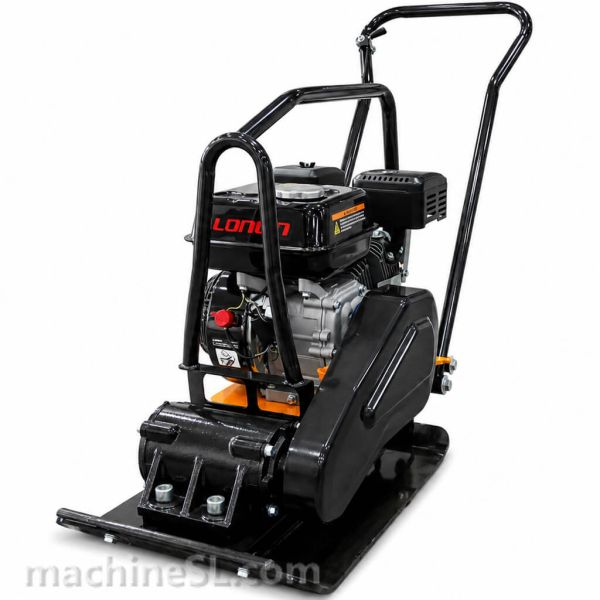
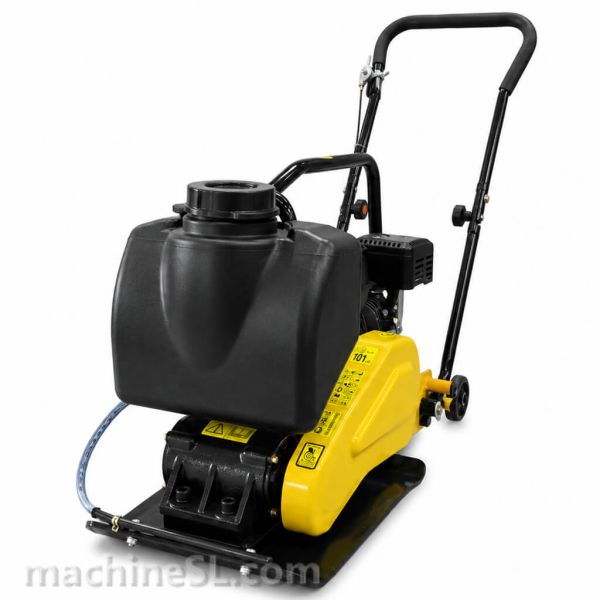
Forward plate compactors travel in one direction and are generally lighter and easier to operate.
They are ideal for:
- Residential landscaping
- Small paving projects
- Walkways
- Driveways
- Patio construction
- General maintenance work
Their lower weight and compact size also make transportation easier.
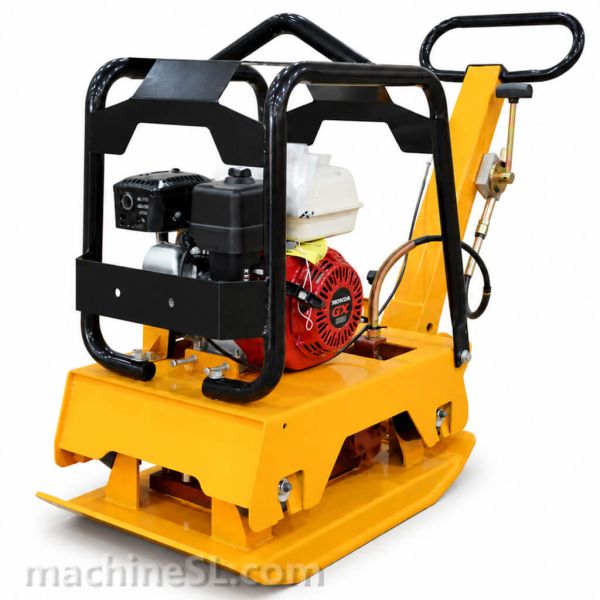
Reversible Plate Compactor
Reversible plate compactors can move both forward and backward without turning the machine around.
This improves productivity on larger construction sites and reduces operator fatigue.
Typical applications include:
- Road construction
- Commercial foundations
- Industrial projects
- Municipal engineering
- Large infrastructure developments
These machines usually provide greater centrifugal force and deeper compaction than forward models.
Shuanglong Engineer’s Recommendation
If your project mainly involves sand, gravel, crushed stone, asphalt, or paving work, a plate compactor will usually deliver better productivity and a smoother finished surface than a tamping rammer.
For contractors who frequently perform road maintenance, landscaping, or driveway construction, investing in a quality plate compactor often results in lower labor costs and faster project completion.
However, if your work regularly alternates between cohesive soil and granular material, owning both a tamping rammer and a plate compactor will provide the greatest flexibility and overall efficiency.
Need a plate compactor for your next project?
Explore the complete Shuanglong Plate Compactor range or contact our engineering team for model recommendations based on your application.
How to Choose the Right Compactor for Your Project
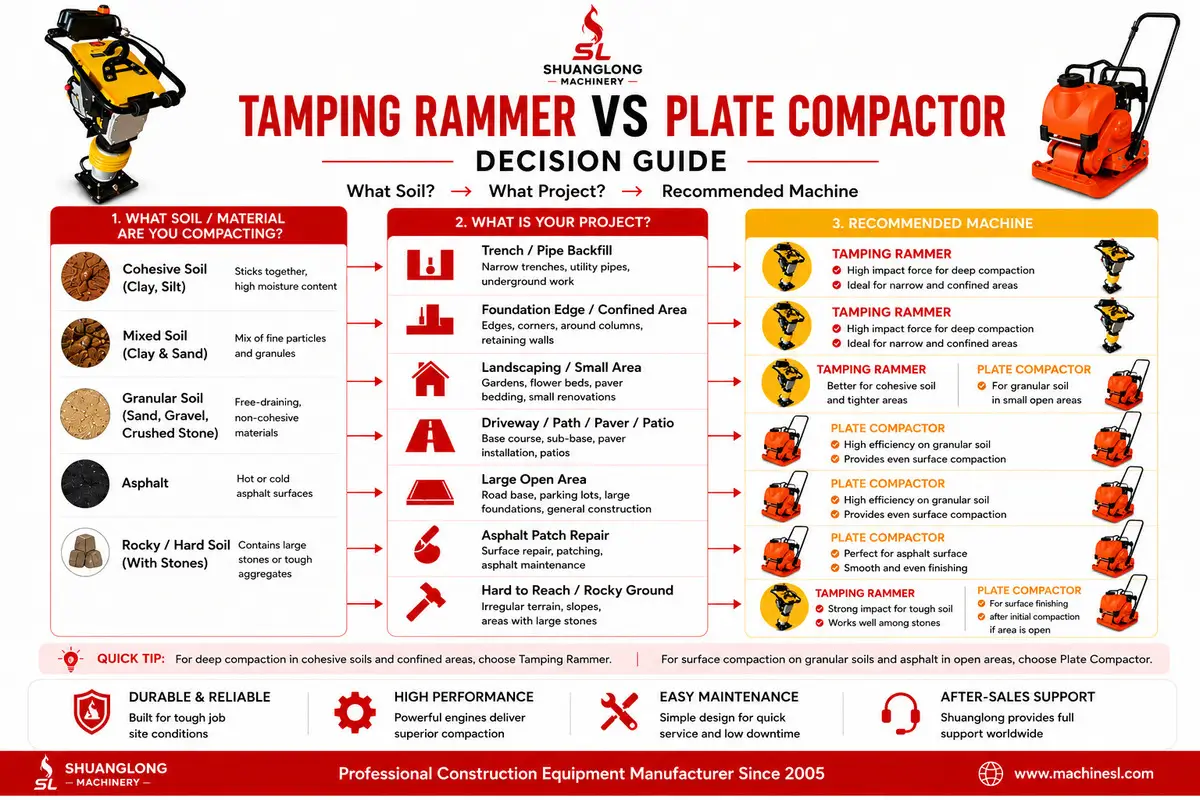
After understanding the differences between tamping rammers and plate compactors, the next question is straightforward:
Which machine is the right choice for your project?
Many buyers compare engine power, operating weight, or price first. While these specifications are important, experienced contractors know that the correct equipment is determined by the construction environment rather than by a single specification.
Before making a purchase, consider the following five questions.
What Type of Soil Are You Compacting?
This is the most important question.
The soil determines the compaction method, and the compaction method determines the machine.
If your project mainly involves:
- Clay
- Silt
- Cohesive soil
- Wet trench backfill
A tamping rammer is usually the better choice because its concentrated impact force penetrates cohesive materials more effectively.
If your project mainly involves:
- Sand
- Gravel
- Crushed stone
- Asphalt
- Pavers
A plate compactor will normally provide higher productivity and a smoother finish.
As a simple rule:
Match the compaction method to the soil—not the machine to the budget.
How Large Is the Working Area?
The size of the construction site has a direct impact on productivity.
For confined work areas, such as utility trenches, foundation corners, or narrow excavations, maneuverability is more important than working width.
In these situations, a tamping rammer is often the most efficient option.
For open areas, such as parking lots, driveways, walkways, or landscaping projects, a plate compactor can cover significantly more ground in less time.
The larger the working area, the greater the productivity advantage of a plate compactor.
How Deep Does the Soil Need to Be Compacted?
Not every project requires deep compaction.
For shallow base preparation, vibration is usually sufficient.
However, when compacting thicker lifts or cohesive backfill, deeper impact energy becomes increasingly important.
Although actual compaction depth depends on soil conditions and project specifications, tamping rammers generally provide greater penetration than plate compactors in cohesive soils.
What Surface Are You Working On?
Surface condition should never be overlooked.
For example:
- Asphalt requires a smooth finish.
- Pavers require uniform vibration.
- Decorative landscaping requires even compaction without disturbing surrounding materials.
These applications naturally favor a plate compactor.
Conversely, compacting around foundations, retaining walls, or underground utilities often requires precision rather than surface appearance, making a tamping rammer the preferred solution.
What Is Your Long-Term Workload?
Instead of asking:
“Which machine is cheaper?”
Ask:
“Which machine will I use most often?”
A contractor who primarily installs underground pipelines has very different equipment requirements than a paving contractor.
Choosing equipment based on your most common projects usually provides the best long-term return on investment.
Common Buying Mistakes
Many first-time buyers focus only on price or engine brand.
In reality, the most expensive mistakes often occur before the machine even arrives on the jobsite.
Below are several common purchasing mistakes that can reduce productivity and increase operating costs.
Mistake 1: Buying the Biggest Machine
A larger machine is not always the better machine.
Oversized equipment may be difficult to maneuver in confined spaces and can actually reduce efficiency on small projects.
Mistake 2: Ignoring Soil Conditions
Selecting equipment without considering soil type is one of the leading causes of poor compaction results.
Even a high-quality machine cannot compensate for using the wrong compaction method.
Mistake 3: Choosing Only by Price
The lowest purchase price does not necessarily result in the lowest operating cost.
Fuel consumption, maintenance requirements, spare parts availability, and construction efficiency should all be considered before making a decision.
Mistake 4: Overlooking After-Sales Support
Construction equipment operates in demanding environments.
Reliable technical support and readily available spare parts are just as important as the machine itself.
Working with an experienced manufacturer can significantly reduce downtime during the equipment’s service life.
Quick Decision Guide
If you only remember one section from this guide, remember the recommendations below.
| Project Type | Recommended Equipment |
|---|---|
| Utility trench backfill | ✅ Tamping Rammer |
| Clay foundation | ✅ Tamping Rammer |
| Pipeline installation | ✅ Tamping Rammer |
| Road base preparation | ✅ Plate Compactor |
| Asphalt repair | ✅ Plate Compactor |
| Paver installation | ✅ Plate Compactor |
| Gravel driveway | ✅ Plate Compactor |
| Residential landscaping | ✅ Plate Compactor |
| Mixed project portfolio | ✅ Both Machines |
Choosing the correct equipment at the beginning of a project not only improves compaction quality but also reduces labor costs, fuel consumption, and the likelihood of future repairs.
Shuanglong Engineer’s Advice
Our recommendation is simple:
- If more than 70% of your projects involve cohesive soil or trench work, invest in a tamping rammer.
- If more than 70% of your projects involve paving, landscaping, asphalt, or granular materials, choose a plate compactor.
- If your business regularly performs both types of work, owning both machines will provide the greatest flexibility and improve overall productivity.
The best equipment is not necessarily the most powerful or the most expensive.
It is the machine that consistently delivers the right compaction method for the projects you complete every day.
Frequently Asked Questions
Choosing the right compaction equipment often raises additional questions, especially for first-time buyers. Below are some of the questions our engineering team is asked most frequently.
Can I use a plate compactor on clay?
Technically, yes—but it is generally not recommended.
Plate compactors rely on vibration to rearrange loose particles. Because clay is a cohesive soil, vibration alone is often insufficient to achieve deep and consistent compaction.
For most clay-based projects, a tamping rammer provides better compaction performance.
Can a tamping rammer compact gravel?
Yes.
A tamping rammer can compact gravel, particularly in confined spaces where a plate compactor cannot operate effectively.
However, for large gravel surfaces, a plate compactor is usually faster and more productive.
Which machine compacts deeper?
In most cohesive soil applications, a tamping rammer achieves greater compaction depth because it delivers concentrated vertical impact.
A plate compactor is generally more effective for compacting surface layers of granular material.
Which machine is easier to maintain?
Both machines require regular maintenance, but the focus is different.
A tamping rammer requires routine inspection of the bellows, spring system, and air filter.
A plate compactor mainly requires maintenance of the exciter, drive belt, and vibration system.
Following the manufacturer’s maintenance schedule will significantly extend the service life of either machine.
Should I choose a forward or reversible plate compactor?
It depends on your workload.
Forward plate compactors are ideal for landscaping, residential paving, and general construction.
Reversible plate compactors are better suited for larger commercial projects where greater compaction force and higher productivity are required.
Can one machine replace the other?
Not completely.
Although both machines are designed for soil compaction, they solve different construction problems.
Professional contractors often own both a tamping rammer and a plate compactor so they can select the most efficient equipment for each project.
Final Thoughts
There is no single compactor that is perfect for every job.
A tamping rammer and a plate compactor are designed for different construction environments, different soil conditions, and different productivity requirements.
Choosing the right machine is not about purchasing the most powerful equipment—it is about selecting the compaction method that best matches your project.
As a simple rule:
- Choose a tamping rammer for clay, trench backfill, foundation work, and confined spaces.
- Choose a plate compactor for sand, gravel, asphalt, pavers, and large open areas.
Understanding this difference before purchasing equipment can improve construction quality, reduce operating costs, and minimize future maintenance.
Why Contractors Choose Shuanglong Machinery
Choosing compaction equipment is more than comparing specifications. It requires a manufacturing partner who understands real construction projects, equipment reliability, and long-term support.
At Shuanglong Machinery, we combine manufacturing experience with practical engineering knowledge to help distributors, contractors, and equipment rental companies select the right compaction equipment for every application.
| 🏭 Manufacturing Experience | Since 1999 |
|---|---|
| 📐 Factory Area | 30,000 m² |
| 👥 Employees | 120+ |
| ⚙️ Annual Production | 25,000 Units |
| 🌍 Export Markets | 50+ |
| 🏅 Certifications | CE • ISO 9001 |
| 🤝 OEM / ODM | Available |
| 🛡️ Warranty | 12 Months |
Unlike trading companies, we manufacture our own equipment and continuously improve product designs based on customer feedback from different markets.
From compact tamping rammers to reversible plate compactors, every machine undergoes strict quality inspection before shipment. Our engineering team also provides equipment selection guidance, spare parts support, and OEM customization for distributors worldwide.


Leave A Comment